Hytale's World Generation System Gets a Deep Dive: What Server Owners Need to Know

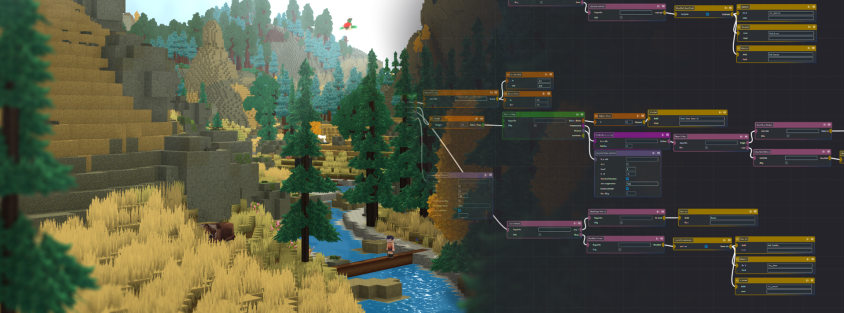
Hypixel Studios just dropped their first dev blog of 2026, and it's a technical deep dive into something that'll define every server experience: world generation. Dan (world gen engineer) and Amber (designer) walked through how Hytale's terrain system actually works, from the underlying tech to how it translates into playable spaces.
This isn't just another "look at our pretty biomes" post. They're showing the machinery behind the magic, and for server owners planning custom worlds or modification frameworks, there's a lot to unpack here.
Layered generation system: Hytale uses multiple noise functions and rules working together, not just simple randomization
Designer control vs. procedural freedom: The team balances handcrafted elements with algorithmic variety
Performance considerations: Generation happens in chunks with optimization for both singleplayer and multiplayer
Modding implications: Understanding the system helps predict what'll be moddable at launch
How Hytale's Terrain Actually Generates
Here's where it gets interesting. Unlike Minecraft's relatively straightforward noise-based generation, Hytale's system works in layers. Dan explains they're using multiple noise functions that interact with each other, creating more organic-looking terrain without the "samey" feeling you get in other voxel games after a few hours.
The system evaluates biome placement, then applies terrain features, then cave systems, then structures. Each layer respects what came before it, but has room to surprise you.
For server owners, this matters because it means custom world generation won't be as simple as tweaking a seed value. If you want to create a mountainous PvP arena world or a flat creative build server, you'll need to understand (or have tools that understand) how these layers interact. The good news? More complexity in the base system usually means more powerful modding tools.
Biomes That Actually Feel Different
Amber dives into the design philosophy behind biome creation, and it's refreshing. They're not just recoloring grass and calling it a new biome. Each zone has distinct terrain shapes, vegetation density, structure types, and even different cave systems.
The example they show is Emerald Grove (one of Zone 1's forest biomes) versus the Borea tundra regions. The Grove has rolling hills with dense tree cover and shallow cave networks, while Borea features deep crevasses and sparse, wind-bent vegetation. The terrain generation rules are fundamentally different, not just palette swaps.

This has huge implications for server gameplay. A survival server set in Zone 1 will play drastically different from one in Zone 3, even before you factor in mobs and resources. Server owners could specialize in specific zones and create entirely different player experiences.
Cave Systems and Underground Generation
The cave discussion is where my ears perked up. Dan mentions they're using 3D noise (not just 2D heightmaps) for cave carving, which allows for those massive vertical caverns and interconnected cave networks we've seen in previews.
But here's the kicker: caves aren't just empty space. The generation system places mineral veins, underground structures, mob spawners, and even small underground biomes as part of the same pass. This isn't Minecraft's "caves are wherever the noise function says there's air." These are designed spaces that happen to be generated procedurally.
For mining-focused servers or dungeon crawlers, this is fantastic news. The underground isn't just a resource grind, it's explorable content.
Structure Placement and the "Handcrafted Feel"
Amber talks about how they handle structure generation, and it's a balancing act. They want structures to feel intentionally placed, not randomly plopped down. The system checks for valid placement locations based on terrain type, biome, nearby structures, and even storyline progression in adventure mode.
For server owners, this means a few things. First, if you're running an adventure server with custom structures, you'll probably have access to these same placement rules. Second, structure density will be configurable (or at least that's the implication), so you could run anything from a sparse exploration server to a structure-heavy dungeon crawler.
The post shows a Kweebec village that spawned naturally, and it's positioned perfectly on a hillside clearing. That's not luck, that's the placement algorithm working as intended. Your custom castles or towns could use the same logic.
Performance and Server Implications
Dan briefly touches on performance, and it's worth highlighting. World generation happens in chunks (no surprise there), but they're using aggressive caching and only regenerating when absolutely necessary. This means server restarts won't cause chunk re-generation weirdness, and pre-generating worlds for events or lobbies should be relatively quick.
They also mention that the generation system is deterministic, meaning the same seed will always produce the same world. Good for reproducible server setups, tournaments, or sharing world configurations with your community.
Multiplayer Considerations
The post doesn't explicitly discuss multiplayer world gen, but reading between the lines: if the system is this modular and chunk-based, server-side world generation should handle dozens of players exploring simultaneously without choking. That's critical for larger servers or events where you're not pre-generating the entire map.
What This Means for Modders
Everything they're describing sounds deeply moddable. Layered systems with clear rules? That's modder-friendly architecture. If Hypixel exposes even half of these generation parameters, custom world types will be everywhere within weeks of launch.
Imagine:
Skyblock servers with custom void generation rules
Amplified terrain servers with exaggerated noise values
Dungeon-only worlds where structure density is cranked to 100%
Racing servers with procedurally generated parkour courses
The post confirms they're building with modification in mind, which aligns with their previous statements about supporting the server community.
The Bottom Line
This dev blog is Hypixel showing their work. They're not just promising "amazing procedural worlds," they're explaining how they're actually building them. For server owners, that transparency matters. It lets you plan, theorize about configs, and get excited about the possibilities.
World generation isn't just backdrop. It's the foundation every server experience is built on.
Whether you're planning a vanilla survival server, a custom minigame, or a full RPG adventure, understanding how Hytale's terrain works gives you a massive head start. The system they're building is complex, performant, and (crucially) designed to be modified.
If you're already thinking about your server concept, this is the time to start considering how world generation fits into your vision. Will you use default generation with custom structures? Completely custom terrain? A hybrid approach? The tools are coming, and they look solid.