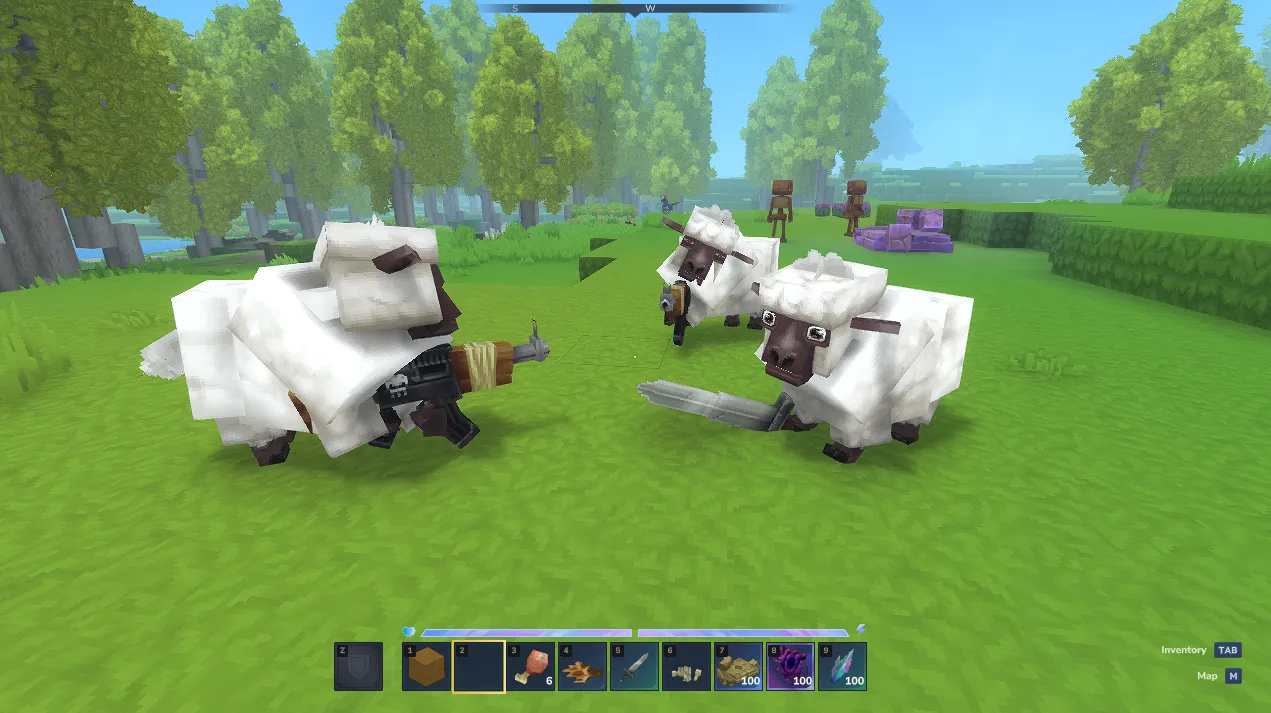
Hytale's NPC System Deep Dive: What Server Owners Need to Know
 OhSoGamer@OhSoGamer#0|5 min read|
Key Points
- Modular NPC Framework: NPCs are built from swappable components (behavior, dialogue, combat AI) rather than hardcoded entities
- Server-Side Control: Server owners can modify NPC behavior without client-side mods, opening massive customization potential
- Performance Focus: The system's designed to handle hundreds of NPCs without tanking server performance
- Dynamic Interactions: NPCs can remember player actions, change routines, and respond to world events in real-time
Hypixel Studios dropped a technical blog post today that's honestly more exciting than it might sound at first glance. Joe's NPC Technical Rundown peels back the layers on how Hytale's NPC system actually works under the hood. If you're planning to run a server, this matters way more than you might think.
Why This Actually Matters for Servers
Most sandbox games treat NPCs as glorified decorations or quest dispensers. Hytale's taking a different approach. The framework they've built is modular, which means you're not stuck with whatever behaviors Hypixel bakes into the base game.
Here's the practical bit: server owners will be able to create custom NPCs with unique behaviors, dialogue trees, and combat patterns without players needing to download anything extra. It's all server-side. Want guards that patrol your spawn and actually respond to threats? Shopkeepers with dynamic pricing based on server economy? Quest-givers that remember what you've done before? All possible.
"The component-based system means you can mix and match behaviors like building blocks. An NPC can be a merchant, a guard, and a quest-giver all at once if you want."
The Technical Bits (Simplified)
Joe breaks down the system into three main layers: the behavior tree (how NPCs make decisions), the animation controller (how they move and react), and the dialogue system (how they talk to players). Each layer is independent but works together.
The behavior tree is where things get interesting. Instead of scripting every possible action, NPCs evaluate conditions and priorities in real-time. A guard NPC might prioritize "defend spawn" over "patrol route" if it detects a threat. The system checks these priorities constantly, so NPCs adapt to changing situations.
For server owners, this means you won't need to be a programmer to create engaging NPCs. The framework handles the complex stuff. You just define what you want them to do and when.
Performance Considerations
One concern with sophisticated NPC systems is server load. Hypixel addressed this head-on. The framework uses "budget" systems that limit how much processing time each NPC gets per tick. High-priority NPCs (ones near players) get more resources, while background NPCs run on simplified routines.
Joe mentions they've stress-tested with 500+ NPCs active simultaneously. That's a solid number for even large-scale server events or populated town areas.
What This Enables for Custom Servers
Let's talk use cases. The modular system opens up possibilities that weren't really feasible in Minecraft:
- RPG Servers: Quest chains with NPCs that remember your progress, react to your choices, and even betray you if you screw them over
- Economy Servers: Merchant NPCs with fluctuating prices based on supply and demand, not hardcoded values
- PvP Arenas: AI opponents that adapt their tactics based on player loadouts and strategies
- Survival Servers: Wandering traders, hostile faction patrols, and neutral NPCs that change allegiance based on server politics
The dialogue system supports branching conversations with conditions. An NPC could offer different dialogue options based on your faction reputation, items in your inventory, or quests you've completed. That's a huge step up from click-through text boxes.
"We want server creators to feel like they're directing actors, not programming robots."
The Animation and Visual Side
Joe didn't just focus on logic. He showed off the animation controller that ties NPC movement to their behavior states. NPCs transition smoothly between idle poses, walking, combat stances, and emotes. The system supports custom animations too, so you're not limited to default movements.
This matters for immersion. An NPC shopkeeper that actually looks at you when you approach, gestures while talking, and returns to organizing their shop when you leave? That's the kind of detail that makes server worlds feel alive.
Where Things Are Headed
Joe mentioned this is the current state of the framework, not the final version. They're still working on advanced features like group behaviors (NPCs coordinating with each other), persistent memory across server restarts, and more complex combat AI.
The roadmap includes tools for server owners to test and debug their custom NPCs in real-time. No more guessing why your quest-giver is stuck walking into a wall. You'll be able to see exactly what the behavior tree is evaluating and where it's going wrong.
Learning Curve Questions
One thing Joe didn't address much: how steep will the learning curve be? Creating NPCs sounds accessible in theory, but there's always a gap between "possible" and "practical for the average server owner." Hopefully, Hypixel provides solid documentation and maybe some GUI tools for non-coders.
The Minecraft community built incredible things with command blocks and datapacks despite awkward workflows. Give Hytale server owners a genuinely user-friendly NPC creator, and we'll see some wild stuff.
Bottom Line for Server Owners
This technical rundown isn't just developer flexing. It's a preview of what you'll actually be able to do when Hytale launches. If you're planning a roleplay server, an adventure map, or any game mode that relies on NPCs for more than decoration, this framework is built for you.
The modular, server-side approach means you can iterate on NPC designs without forcing players to update anything. That's huge for experimental servers that want to evolve their content based on player feedback.
Start thinking now about how you'd use sophisticated NPCs in your server concept. Quest systems, dynamic events, faction wars, living economies. The tools are coming. The question is what you'll build with them.